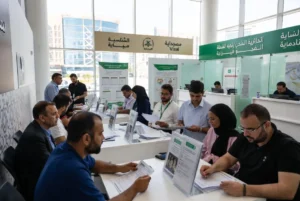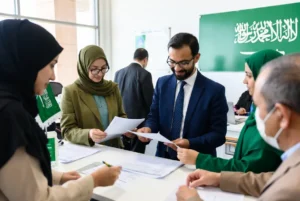
Moving to Saudi Arabia as a family requires careful planning. The Kingdom has rapidly modernized, offering high-quality education, healthcare, and family-friendly living options. However, adapting to a new culture, climate, and social norms can be challenging without proper guidance. This guide explains what families can expect when relocating to Saudi Arabia and provides practical advice for comfortable living.
Schools and Education for Children
One of the most important considerations for families relocating to Saudi Arabia is education. The Kingdom offers a wide range of schools, particularly in major cities like Riyadh, Jeddah, and Dammam. International schools are popular among expat families, offering curricula such as British, American, Indian, and the International Baccalaureate (IB).
School fees vary depending on the curriculum, grade level, and facilities. Many schools also charge additional fees for transportation, registration, or extracurricular activities. It is recommended that families plan their budget accordingly and choose a school near their residence to reduce commuting time.
Public schools are generally available for Saudi nationals, while expatriates typically enroll their children in private or international institutions. Early application is crucial, as some of the most reputable schools have limited seats and long waiting lists.
Healthcare and Medical Services
Saudi Arabia provides high-quality healthcare through both public and private facilities. All expatriates are required to have health insurance, which is often provided by employers. Private hospitals and clinics are modern, well-staffed, and equipped with the latest medical technology.
Routine medical check-ups, vaccinations, and emergency care are easily accessible in major cities. Families with children will find that pediatric care is generally comprehensive and efficient. Additionally, maternity and women’s health services are well-established in urban centers.
Families should ensure their health insurance covers all necessary medical services, including specialist consultations and dental care, to avoid unexpected expenses.
Housing and Family-Friendly Neighbourhoods
Finding the right home is crucial for a smooth family life in Saudi Arabia. Families typically choose between private apartments and residential compounds. Compounds are highly recommended for families, as they offer security, recreational facilities, swimming pools, gyms, and organized community activities.
Housing costs vary significantly by city and location. Riyadh tends to have higher rent, especially in central areas, while cities like Dammam or Khobar provide more affordable options. Families should also consider proximity to schools, healthcare facilities, and shopping centers when selecting a residence.
Daily Living and Lifestyle
Daily life in Saudi Arabia for families is safe, structured, and comfortable. Cities are clean and well-planned, with modern roads and infrastructure. Shopping malls, supermarkets, restaurants, and recreational areas are widely available, providing convenience for everyday needs.
Families should be aware of cultural norms, modest dressing requirements, and local etiquette, as these influence social interactions and daily routines. Prayer times, religious holidays, and public observances may affect business hours, transport, and school schedules.
Recreation and Family Activities
Saudi Arabia has increasingly become family-friendly in recent years. Many cities offer parks, cultural centers, cinemas, sports facilities, and beach resorts. Residential compounds often organize community events for children and adults, which can help new families build social connections.
Weekend activities usually revolve around family outings, shopping, or visiting local attractions. Families living near the coast or natural landscapes can enjoy trips to beaches, mountains, and deserts, offering unique recreational opportunities.
Food and Daily Essentials
Families can access a variety of grocery stores, markets, and specialty shops. Local food items are affordable, while imported goods can be more expensive. Dining options are diverse, including international cuisine, local restaurants, and family-friendly cafes.
Daily living expenses should be planned to include food, utilities, school fees, transportation, and recreational activities. With careful budgeting, families can maintain a comfortable lifestyle without excessive spending.
Safety and Community
Saudi Arabia is considered a safe country for families. Crime rates are low, and residential compounds provide additional security measures. Many expatriates report feeling comfortable and secure in urban centres, with access to emergency services and support networks.
Community plays an important role in family life. Expat families often build networks within compounds, schools, and local social groups. These networks provide support, friendship, and practical guidance for navigating life in a new country.
Final Thoughts
Family life in Saudi Arabia combines modern amenities with traditional values. With proper planning, families can enjoy excellent education, healthcare, housing, and a safe environment. Understanding local culture, adapting to daily routines, and engaging with both local and expat communities helps families settle comfortably.
MoveToSaudia provides practical guidance for expatriates and families relocating to Saudi Arabia, helping them navigate schools, healthcare, housing, and everyday life efficiently and confidently.