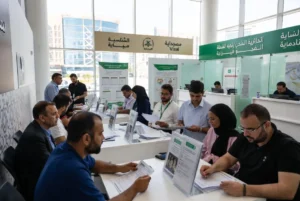
Saudi Arabia is a country of rich traditions, deep cultural values, and strict legal frameworks. For foreigners planning to live, work, or relocate here, understanding the Kingdom’s laws, social customs, and lifestyle norms is crucial. Proper knowledge not only ensures legal compliance but also helps in building a comfortable and respectful life in Saudi Arabia.
This guide provides practical insights into the rules, culture, and daily lifestyle for foreigners, highlighting what to expect and how to adapt smoothly.
Understanding Saudi Arabia’s Legal System
Saudi Arabia follows a legal system based on Islamic Sharia law, which governs both civil and criminal matters. For foreigners, this means that respecting local laws is not optional. Violations, even minor ones, can result in fines, legal penalties, or deportation.
Key legal points for expats include:
-
Always carry your Iqama (residency permit) or have it digitally accessible.
-
Avoid illegal activities such as public intoxication, drug possession, or inappropriate behavior.
-
Traffic rules are strictly enforced, with fines and penalties for violations.
-
Work contracts and employment regulations must be followed carefully.
Understanding these rules before moving reduces stress and ensures a smooth integration into Saudi society.
Cultural Norms and Social Etiquette
Saudi Arabia has a unique cultural identity rooted in Islamic traditions. While recent reforms have modernized social life, respecting cultural norms remains essential for foreigners.
Key Cultural Guidelines:
-
Modest Dress: Women are expected to dress modestly in public; while wearing an abaya is common, recent reforms allow more flexibility in certain cities. Men should also avoid revealing clothing.
-
Behavior in Public: Public displays of affection, loud behavior, or inappropriate gestures are frowned upon.
-
Religious Practices: Prayer times are observed throughout the day, and certain businesses may pause during these periods. Respecting religious customs is mandatory.
-
Gender Interaction: Traditionally, public interaction between men and women is limited, though reforms have relaxed some restrictions in workplaces, schools, and public spaces.
Adapting to these norms early helps foreigners avoid misunderstandings and fosters respectful relationships with the local community.
Lifestyle for Foreigners
Saudi Arabia’s lifestyle has modernized rapidly, especially in major cities. Malls, restaurants, cafes, cinemas, and entertainment centers are now widely available. Many expatriates live in residential compounds, which offer secure environments, recreational facilities, and community activities, creating a more familiar lifestyle for international families.
Daily routines are influenced by prayer times, weekends (Friday and Saturday), and seasonal changes. The climate, particularly the long hot summers, affects daily life, commuting, and outdoor activities. Planning daily schedules and living arrangements with these factors in mind is essential.
Social Life and Expat Communities
Expat communities in Saudi Arabia are diverse and supportive. Many foreigners form networks through workplaces, compounds, and social groups. While public social gatherings may be limited, private gatherings in compounds, homes, or designated venues are common.
Cultural adaptation takes time. Initially, newcomers may face challenges with language barriers, social norms, or limited public leisure options. However, those who actively engage with both local and expat communities often find the social experience rewarding and enriching.
Business and Professional Culture
Work culture in Saudi Arabia may differ from what foreigners are accustomed to. Hierarchical structures, formal communication, and respect for authority are valued in professional environments. Business hours can vary, especially during Ramadan or public holidays, and meetings may be influenced by local customs.
Understanding these cultural nuances is critical for successful professional integration and maintaining strong relationships with local colleagues and clients.
Rights and Responsibilities of Foreign Residents
Foreigners living in Saudi Arabia have certain legal rights under their residency (Iqama) and employment contracts. These include access to healthcare, education for children, housing, banking, and travel permits. However, these rights come with responsibilities, including:
-
Compliance with local laws and regulations
-
Timely renewal of Iqama and visas
-
Respecting workplace rules and contractual obligations
-
Following social and cultural norms in public
Being aware of both rights and responsibilities ensures a secure and smooth life in the Kingdom.
Adapting to Life in Saudi Arabia
Successfully living in Saudi Arabia as a foreigner requires patience, flexibility, and cultural awareness. Some key tips include:
-
Learn basic Arabic phrases to navigate daily life and communicate effectively.
-
Engage with local customs and participate in cultural events when appropriate.
-
Plan housing and daily routines according to climate and social norms.
-
Build social support through expat communities and professional networks.
Adapting proactively reduces culture shock and enhances your experience in Saudi Arabia.
Final Thoughts
Saudi Arabia offers a safe, modern, and opportunity-rich environment for foreigners who respect its laws and culture. Understanding the Kingdom’s legal framework, social customs, and lifestyle norms is essential to living comfortably and successfully. With proper preparation, respect for local traditions, and active engagement with both local and expat communities, life in Saudi Arabia can be rewarding and enriching.
MoveToSaudia provides practical guidance on Saudi Arabia’s laws, culture, and lifestyle, helping foreigners navigate daily life, understand local customs, and adapt smoothly to their new home.