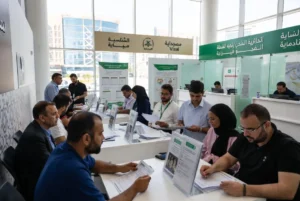
Saudi Arabia residency, commonly known as Iqama, is the legal foundation for living in the Kingdom as a foreigner. Without a valid Iqama, it is not possible to work, rent property, open a bank account, access healthcare, or sponsor family members. Understanding how Iqama works, what rights it provides, and how to renew it on time is essential for anyone planning long-term residence in Saudi Arabia.
This guide explains Saudi Arabia’s residency system in simple, human terms, covering rules, benefits, renewal processes, and common mistakes to avoid.
What Is Iqama and Why It Matters
Iqama is an official residence permit issued by Saudi authorities to foreign nationals living in the Kingdom. It acts as your primary identification document and confirms that you are legally allowed to reside in Saudi Arabia.
Your Iqama contains personal details such as your name, nationality, residency number, and validity date. It is required for nearly every administrative or legal activity, from signing a rental contract to receiving medical treatment. Living in Saudi Arabia without a valid Iqama is considered a serious legal violation.
Who Needs an Iqama in Saudi Arabia
Any foreigner who plans to stay in Saudi Arabia beyond a short visit must obtain an Iqama. This includes individuals living for family, business, or long-term personal reasons. Tourists and short-term visitors do not receive Iqama, as it is strictly for residents.
Family members living under a family residency visa also receive their own Iqama, which allows them access to essential services such as education and healthcare.
Rights and Benefits of Having an Iqama
Holding a valid Iqama gives foreign residents several important rights that allow them to live normally and securely in Saudi Arabia.
With an Iqama, you are legally protected as a resident and can access public and private services. You can open a bank account, rent or lease housing, obtain a SIM card, and register utilities such as electricity and internet. Healthcare access becomes easier, especially with mandatory health insurance coverage.
Iqama holders are allowed to sponsor immediate family members for residency, enroll children in schools, and travel in and out of Saudi Arabia through exit and re-entry permissions. The document also provides legal proof of identity in case of any administrative or legal matters.
Rules and Responsibilities for Iqama Holders
While Iqama provides rights, it also comes with responsibilities. Residents must follow Saudi laws and regulations at all times. Carrying a valid Iqama or having digital access to it is required, as authorities may request identification.
Residents must ensure their personal information is accurate and updated. Any change in marital status, passport details, or residency address should be properly reported. Misuse of residency status or violation of local laws can lead to fines, suspension, or cancellation of Iqama.
Validity Period of Iqama
Iqama is issued for a fixed period, usually one year, though validity may vary depending on residency category. The expiration date is clearly mentioned and must be monitored carefully.
Failure to renew Iqama before expiry can result in penalties, restrictions on travel, and legal complications. Repeated violations may lead to deportation, making timely renewal extremely important.
Iqama Renewal Process Explained
Renewing an Iqama is a mandatory process that ensures continuous legal residence. Renewal usually requires valid health insurance, updated personal records, and payment of government fees.
Before renewal, residents must ensure that there are no outstanding fines or violations linked to their residency. Once all requirements are fulfilled, renewal can be processed through official systems. After approval, the new validity period becomes active, allowing uninterrupted access to residency benefits.
Common Issues During Iqama Renewal
Many residents face delays due to expired health insurance, unpaid fines, incorrect personal data, or missing documentation. Another common issue is waiting until the last moment to renew, which increases the risk of penalties.
Planning ahead and keeping records up to date can prevent these problems and ensure a smooth renewal experience.
Premium Residency (Iqama Without Sponsor)
Saudi Arabia also offers Premium Residency, which allows foreigners to live in the Kingdom without a traditional sponsor. This type of residency provides greater flexibility and long-term stability.
Premium Residency holders enjoy similar rights to regular Iqama holders, along with additional freedoms related to property ownership and business activities. This option is suitable for individuals seeking independence and long-term residence security.
Consequences of Iqama Expiry or Violation
An expired Iqama can result in financial penalties, restrictions on travel, and loss of legal status. In serious cases, authorities may take legal action, including deportation.
To avoid these outcomes, residents should track expiration dates, renew on time, and remain compliant with Saudi laws throughout their stay.
Final Thoughts
Iqama is not just a residency card; it is the key to living legally, safely, and comfortably in Saudi Arabia. Understanding your rights, responsibilities, and renewal obligations helps you avoid legal risks and ensures a stable life in the Kingdom.
MoveToSaudia provides reliable guidance on Saudi Arabia residency, helping foreigners understand Iqama rules, benefits, and renewal processes with clarity and confidence.